
Exploring the historical evolution of gambling A fascinating journey through time
Origins of Gambling in Ancient Civilizations
The history of gambling can be traced back thousands of years, with evidence found in ancient civilizations such as Mesopotamia, China, and Egypt. In these societies, games of chance were often tied to religious beliefs and rituals. For instance, ancient Chinese texts mention the use of rudimentary dice around 2000 BC, illustrating that gambling was not just a pastime but also intertwined with cultural practices. These early forms of gambling laid the groundwork for modern games, offering insights into human nature’s inclination toward risk and reward. Today, platforms like https://hero-spin.com/ continue this legacy, making gambling accessible to a new generation.
In Mesopotamia, around 3000 BC, clay tablets discovered by archaeologists depict various gambling games played with dice. These early dice were often made from animal bones, indicating that gambling was prevalent among different social classes. Similarly, ancient Egyptians used dice and board games in various forms of gambling, showcasing its acceptance and integration into daily life. The popularity of these games indicates that the thrill of chance and luck has always captivated human interest.
The influence of ancient gambling practices extended beyond their respective societies. As trade routes developed, so did the exchange of games and gaming strategies. This not only solidified gambling’s place in culture but also set the stage for future innovations. The transition from physical gaming materials to more complex systems signifies the beginning of a long evolutionary journey that would encompass many cultures and civilizations across the globe.
The Role of Gambling in the Middle Ages
The Middle Ages marked a significant shift in the evolution of gambling. With the rise of feudalism and the church’s influence, gambling underwent scrutiny and regulation. Many forms of gambling were banned, yet games such as dice and card playing persisted in secret. This era also saw the emergence of betting on events, particularly in the context of jousting and various sports, which became popular among nobility as a form of entertainment.
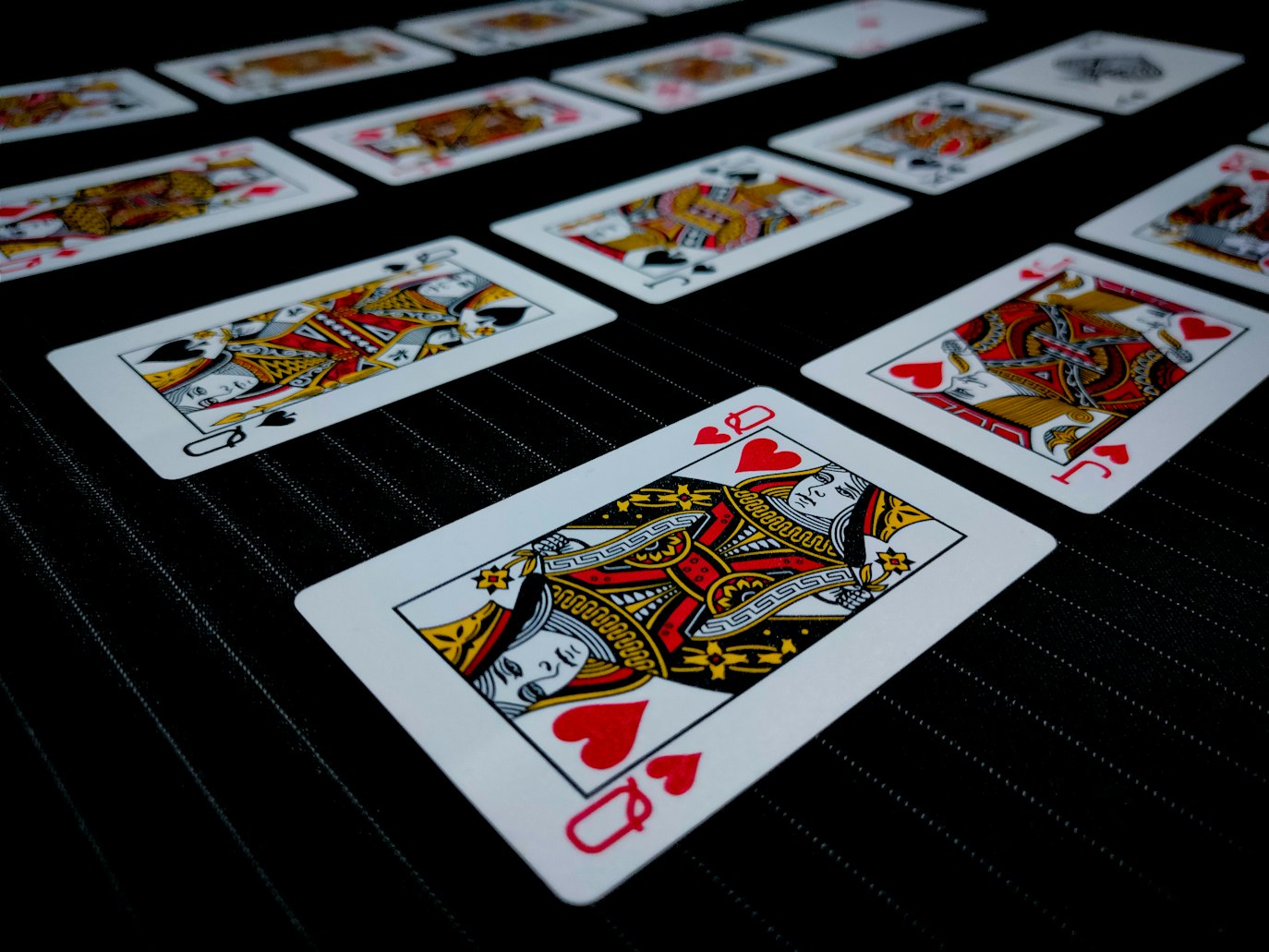
During the Middle Ages, the invention of playing cards in Europe introduced new gambling possibilities. Initially imported from Asia, these cards adapted quickly to European tastes, and by the 15th century, they became a staple in gambling. The popularity of card games spurred the development of casinos, which began appearing in Italy, creating a more formalized environment for gambling that attracted the elite class.
Despite the church’s condemnation, gambling flourished clandestinely, leading to a cultural renaissance in the 17th century. This period marked a gradual acceptance of gambling as part of social interaction, paving the way for the establishment of more structured gaming venues. The allure of gambling continued to capture the imagination of the public, establishing its presence as an integral aspect of social life in Europe.
The Birth of Modern Gambling in the 18th and 19th Centuries
The 18th and 19th centuries heralded the modern era of gambling, characterized by significant innovations and regulatory developments. This period witnessed the establishment of state-sponsored lotteries, which aimed to fund public projects and became widely popular. The idea of lotteries spread rapidly across Europe and North America, legitimizing gambling as a means of raising funds for societal benefit.
Furthermore, the rise of casinos in Europe, particularly in France, transformed gambling into a sophisticated pastime. The casino culture offered a variety of games, including roulette and blackjack, attracting a diverse clientele. With strict regulations in place, these establishments gained respectability and became social hubs. The glamour of casinos appealed to the upper class, and their influence expanded globally, setting the foundation for modern gambling establishments.
This era also saw the emergence of gambling as a form of entertainment in American culture. The Gold Rush and the establishment of frontier towns created an environment ripe for gambling. The infamous Wild West became synonymous with poker and other games, while underground betting parlors flourished. This period solidified gambling’s reputation as a thrilling and risky pursuit, integral to the American spirit.
The Influence of Technology on Gambling in the 20th Century
The 20th century brought unprecedented technological advancements that reshaped the gambling landscape. The invention of the slot machine in the early 1900s revolutionized gambling. Initially viewed as a novelty, slot machines quickly became a staple in casinos, attracting players with their engaging designs and the potential for large payouts. This innovation made gambling more accessible to the masses and paved the way for the future of gaming technology.
As the century progressed, the rise of the internet in the late 1990s marked a new chapter in gambling history. Online casinos emerged, offering players the convenience of gambling from their homes. This shift not only transformed how people engaged with gambling but also expanded the industry globally. With a wide range of games available at their fingertips, online gambling quickly gained popularity, attracting both seasoned players and newcomers.
Additionally, advancements in mobile technology further fueled the growth of online gambling. Mobile apps allowed players to enjoy their favorite games anywhere, anytime, leading to a surge in participation. This accessibility and convenience redefined the gambling experience, making it more dynamic and engaging. The combination of technology and innovative gaming experiences has made gambling a prominent part of modern entertainment culture.
The Future of Gambling with HeroSpin Casino
The evolution of gambling has reached new heights with platforms like HeroSpin Casino, which exemplify the merger of technology and gaming. Offering a diverse selection of slot machines and live games, HeroSpin appeals to both beginners and experienced players. The user-friendly mobile app enhances the gaming experience, making it easy for users to navigate and find their preferred games, whether they are at home or on the go.
HeroSpin Casino prioritizes user engagement through attractive bonuses and regular tournaments, providing players with ample opportunities to enhance their gaming experience. This focus on player satisfaction ensures that HeroSpin remains competitive in an ever-evolving industry. Furthermore, the platform emphasizes security and responsible gaming, allowing players to indulge in their passion for gambling safely and responsibly.
As the gambling landscape continues to evolve, platforms like HeroSpin Casino will likely lead the way, pushing the boundaries of what players can expect. The fusion of technology and traditional gaming elements sets the stage for exciting innovations, promising a thrilling future for gambling enthusiasts worldwide. As history shows, the journey of gambling is far from over, and its future is bright with possibilities.